Northern Ireland
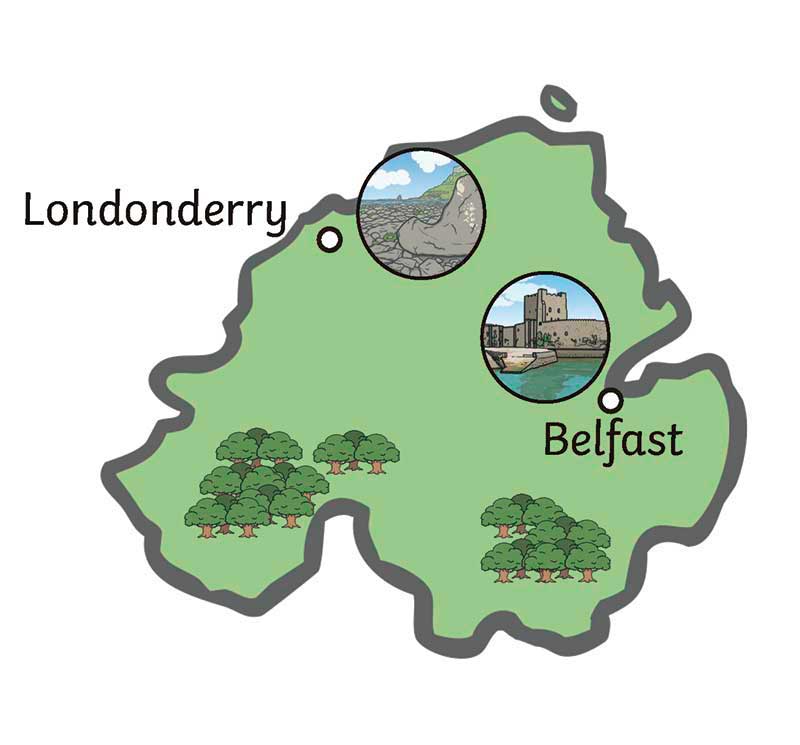
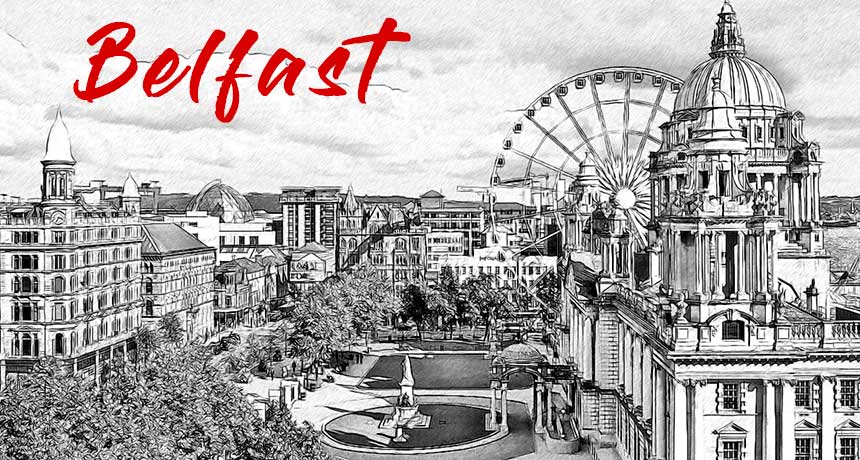
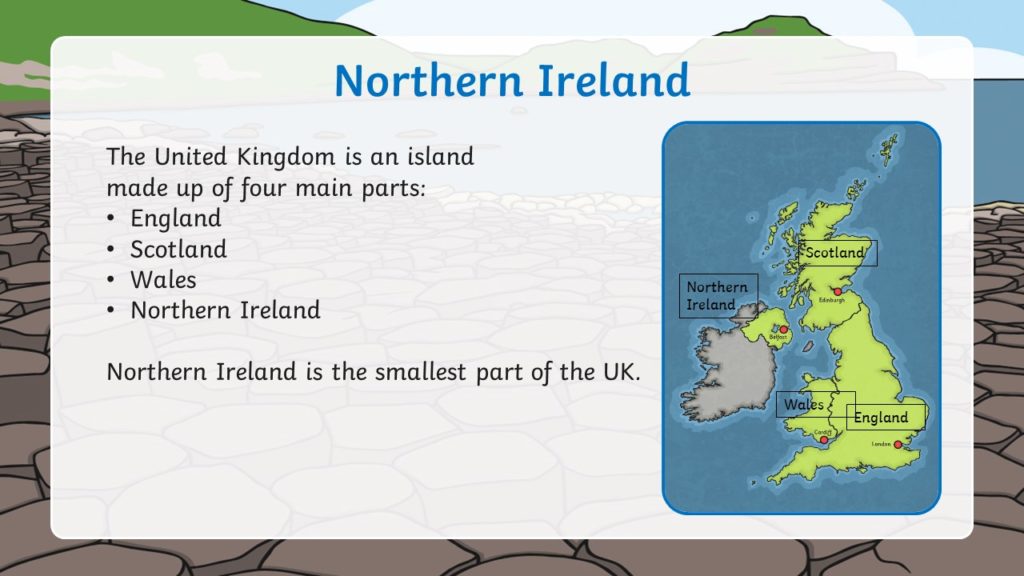
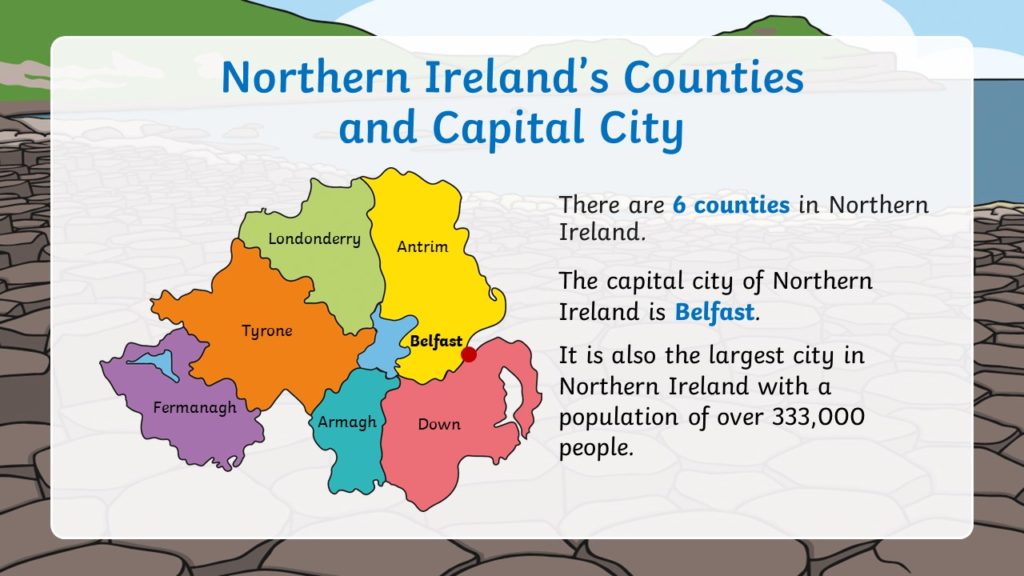
Northern Ireland is one of the four countries in the United Kingdom, with England, Scotland and Wales. It is to the north of the Republic of Ireland, on an island next to Great Britain. Around 1.8 million people live in Northern Ireland, which is about three per cent of the population of the UK. The capital city is Belfast. Another name for Northern Ireland is ‘Ulster’ or ‘The Six Counties’ because it is made up of six regions or counties.
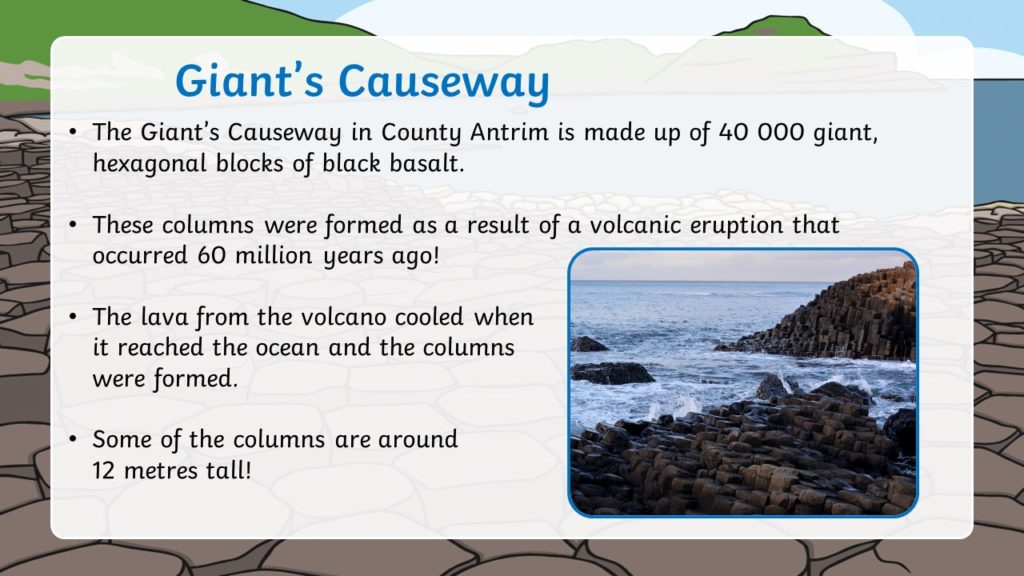
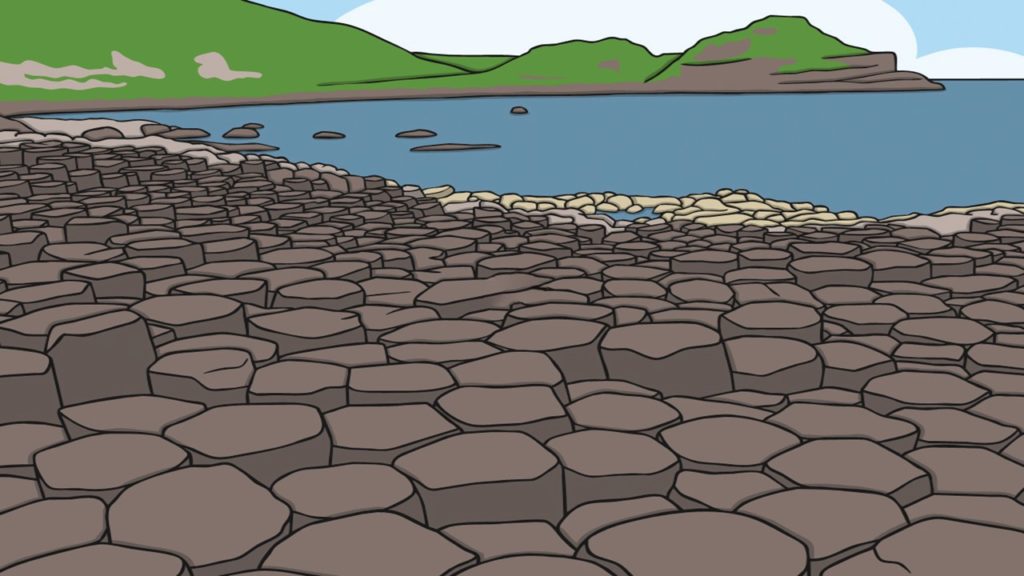
In Northern Ireland you can find beautiful beaches, forests and mountains. You can visit the Giant’s Causeway, a UNESCO World Heritage Site: here, about 40,000 columns were formed after a volcanic eruption. Most of them are hexagonal and some of them are 12m tall. Films and TV series such as Dracula Untold and Game of Thrones are filmed in Northern Ireland.
Northern Ireland was a place of conflict between people who wanted to be part of the Republic of Ireland, people who wanted to be part of the UK and people who wanted Northern Ireland to be a separate country. In the 1990s there was an important peace process and the violence and conflict stopped. The Northern Ireland Assembly and the UK Parliament decide on the laws in Northern Ireland.

Northern Ireland

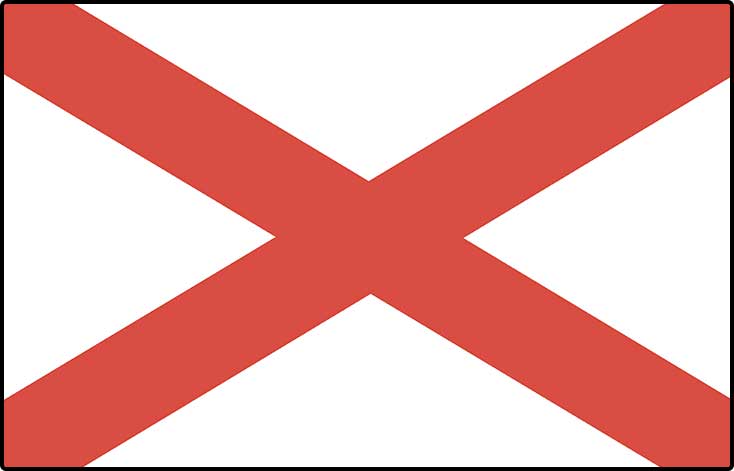
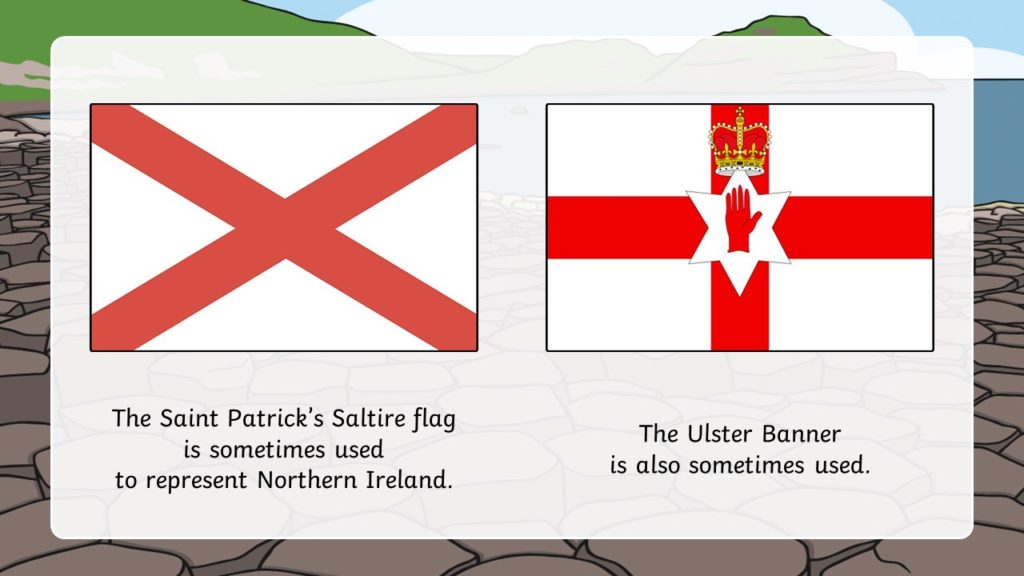
Saint Patrick's Saltire

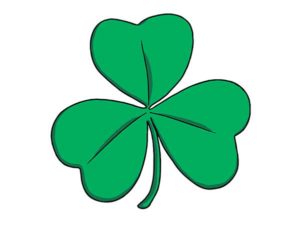
Shamrock
Nearly everyone in Northern Ireland speaks English. A small number of people speak Irish Gaelic, an old Celtic language which is very different from English. The other regional language is Ulster Scots, a variation of English which is spoken in Northern Ireland and is similar to Scots spoken in Scotland.
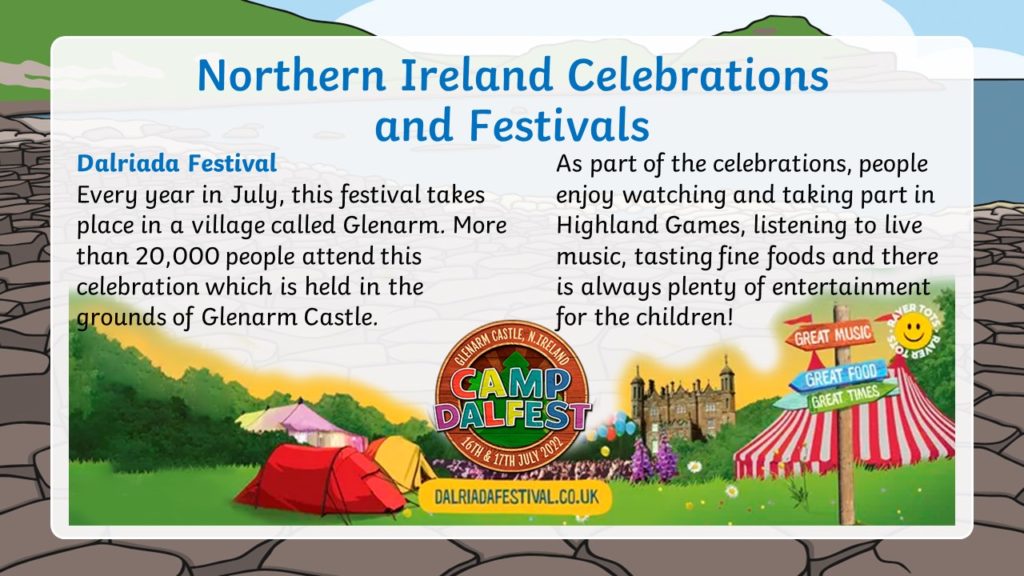
You can hear all types of music in Northern Ireland including traditional Irish music, jazz, rock or pop. In summer Belfast has music festivals like Belsonic and Belfast Vital. Many international artists play at these festivals, including bands from Northern Ireland like Snow Patrol, Ash and Two Door Cinema Club.
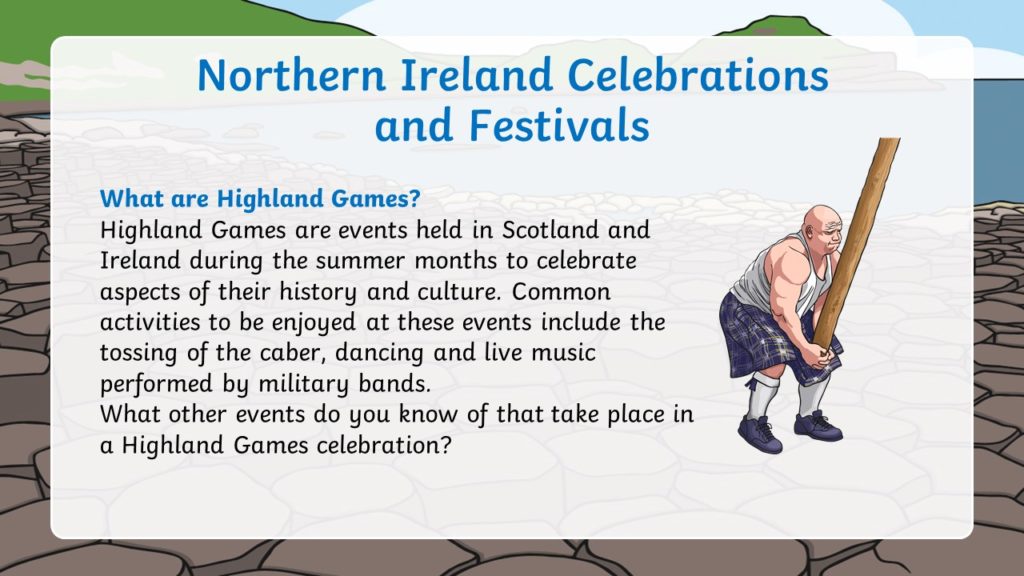
Northern Ireland is a popular place to go walking or do outdoor activities such as mountain biking, coasteering (climbing up rocks and jumping into the sea) or zorbing (rolling down a hill in a giant PVC ball). Football, rugby, cricket, hurling (a sport similar to hockey) and Gaelic football are all popular. Gaelic football is similar to rugby because players can touch and kick the ball. For most sports, Northern Ireland and the Republic of Ireland join together in the same team when they play in international competitions. However, football is different and Northern Ireland has its own national team and football league. Some players from Northern Ireland play for teams in the English or Scottish leagues.
The best-known dish from Northern Ireland is the Ulster Fry, which is bacon, eggs, sausages and soda bread. Some versions include tomatoes, mushrooms or baked beans. It’s called the Ulster Fry because everything is fried in a pan. It is also eaten with Irish potato bread.
St Patrick is the patron saint of Ireland and Northern Ireland. St Patrick’s Day, on 17 March, is a very important celebration in both Northern Ireland and the Republic of Ireland with parades, concerts, music and dancing. Another important symbol is the shamrock, a green plant with three leaves. It is the symbol of the Republic of Ireland and Northern Ireland.


Main Facts | |
|---|---|
Area | 5,459 square miles (14,139 km²) |
Population | 1, 893, 700 |
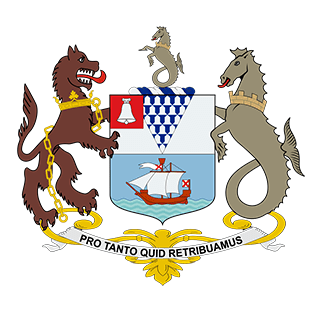
Capital City | Belfast |
Major Cities | Belfast, Londonderry, Lisburn, Newtonabbey, Bangor, Craigavon |
Language | English, Irish and Ulster Scots |
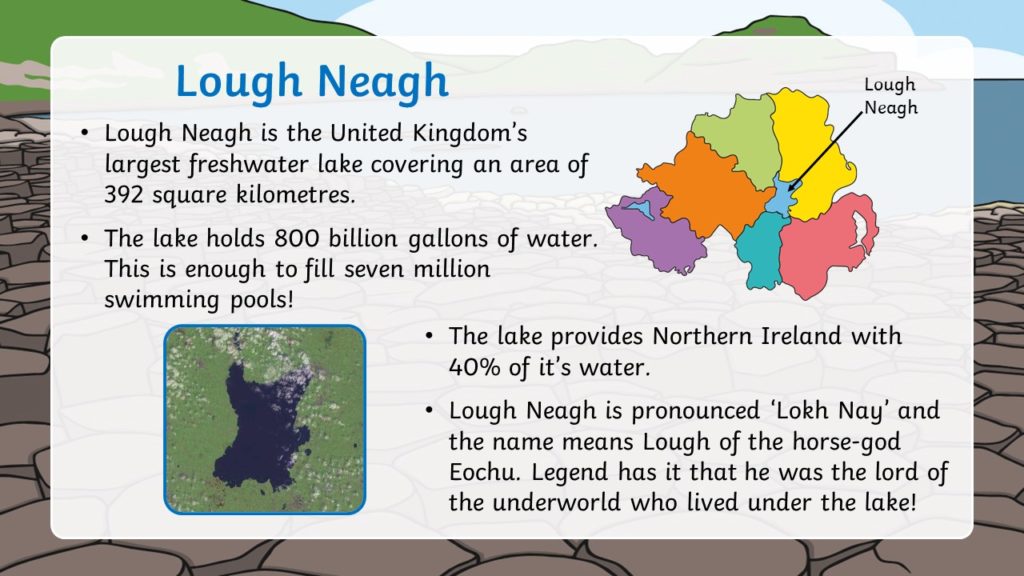
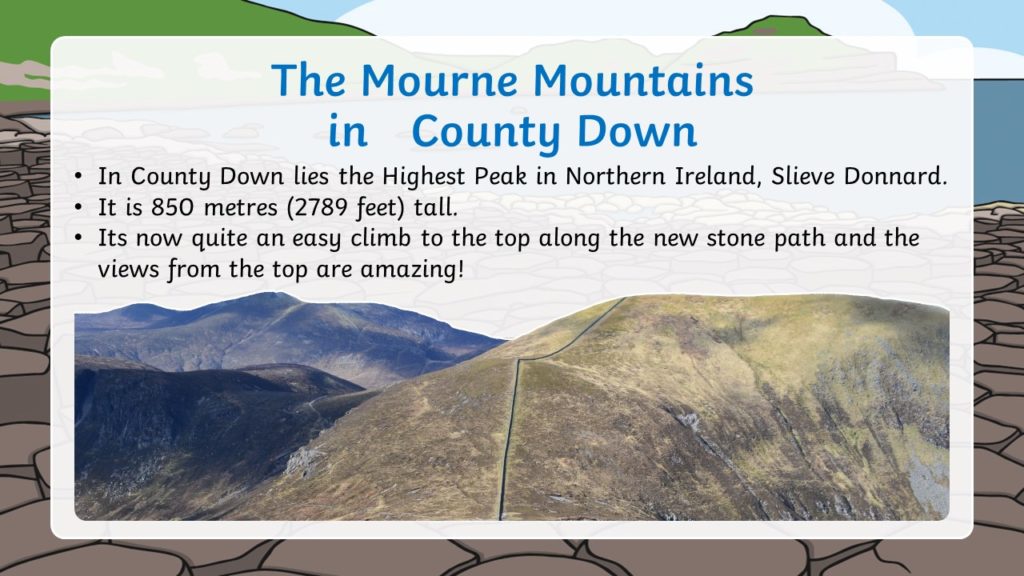
Land | The centrepiece of Northern Ireland’s geography is Lough Neagh, (392 km²) the largest freshwater lake in the British Isles. There are three major upland (hilly) territories: the Sperrin Mountains with extensive gold deposits, the Antrim Plateau and the Mourne Mountains. The Mourne Mountains are the most picturesque mountain district in Ireland.
The hilly parts of the country suitable largely for animal husbandry. The climate is maritime influenced by the Gulf Stream. |
Highest point | Slieve Donard mountain 848 m (2782 ft) |
Longest River |
River Bann 129 kilometres (80 miles) |
Largest Lake | Lough Neagh – 151 square miles (392 km²).
Also the largest freshwater lake in the British Isles |
National Day | 17 March St Patrick’s Day |